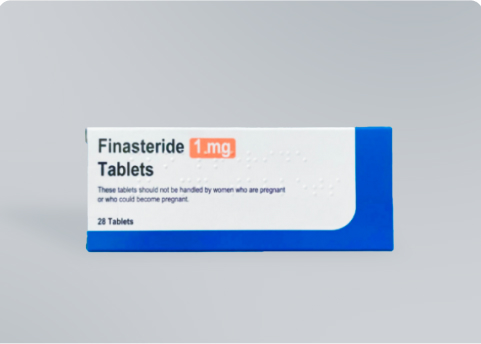


Finasteride is the most commonly prescribed medication for hair loss [1]. More than two-thirds of hair restoration surgeons report that they regularly prescribe this drug to patients, and many trichologists therefore consider finasteride to be a safe treatment option.
Large-scale, long-term studies suggest that finasteride is safe; as they found it can be taken for months or even years without causing side effects in a significant proportion of users [2,3]. That said, anyone considering finasteride should be aware of its potential side effects, particularly if they have concerns about the medication’s safety.
In this article, we’ll explore:
- How safe finasteride is
- The possible side effects of finasteride
- How to decide whether finasteride is safe for you to take
- Finasteride alternatives
How safe is finasteride?
Finasteride is generally considered to be safe. Although there is both anecdotal and research-based evidence linking finasteride to side effects, it’s important to emphasise that these occur in only a small percentage of users. One research report describes finasteride as having a “well-established, excellent safety profile” [4].
In 2019, one 10-year retrospective study involving 532 male patients taking finasteride, researchers observed mild and temporary side effects in just 36 participants [3]. Reported effects included reduced libido and erectile dysfunction, but symptoms were so minor that none of the affected patients discontinued treatment.
Finasteride was originally developed to treat enlarged prostate symptoms associated with benign prostatic hyperplasia (BPH). In addition to its use for hair loss, it is still commonly prescribed for BPH today, though at a much larger dosage amount. As a result, the medication has undergone extensive safety testing to be approved for both medical and cosmetic use [5].
That being said, despite a lot of evidence to suggest its safety, the UK Government has issued a warning about the potential psychological and sexual side effects of these drugs [5]. It’s important to note these potential side effects, in order to make a well-informed decision; they are generally minor and tolerable, and such side effects are fully reversible upon treatment discontinuation. Ultimately, very few users experience side effects, and if they do, they are worth it (when considered as a risk vs benefit ratio), or can be reversed when treatment is discontinued.
Is topical finasteride safe?
Topical finasteride is generally considered safe and may offer a lower risk of systemic side effects compared to oral finasteride. As topical finasteride is applied directly to the scalp, typically in a spray format, significantly less of the drug enters the bloodstream, which may reduce the likelihood of serious finasteride side effects such as reduced libido or erectile dysfunction [6].
How does finasteride work?
Finasteride works by inhibiting the enzyme 5-alpha reductase, which is responsible for converting testosterone into dihydrotestosterone (DHT). While DHT plays an important role in early male development, excess levels in adulthood are linked to conditions such as benign prostatic hyperplasia and male pattern baldness [7]. By reducing DHT levels, finasteride limits how much of the hormone can bind to sensitive hair follicles.
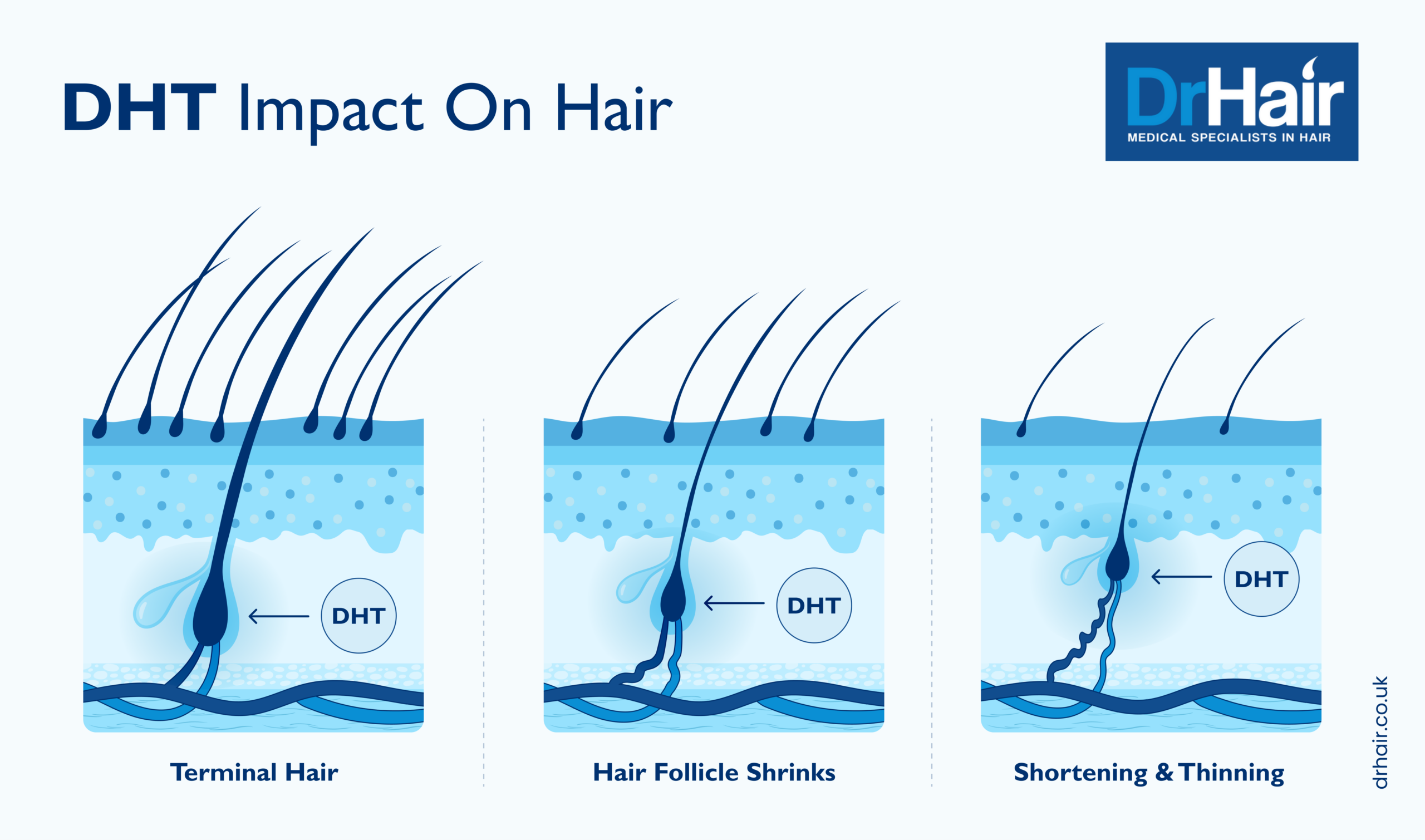
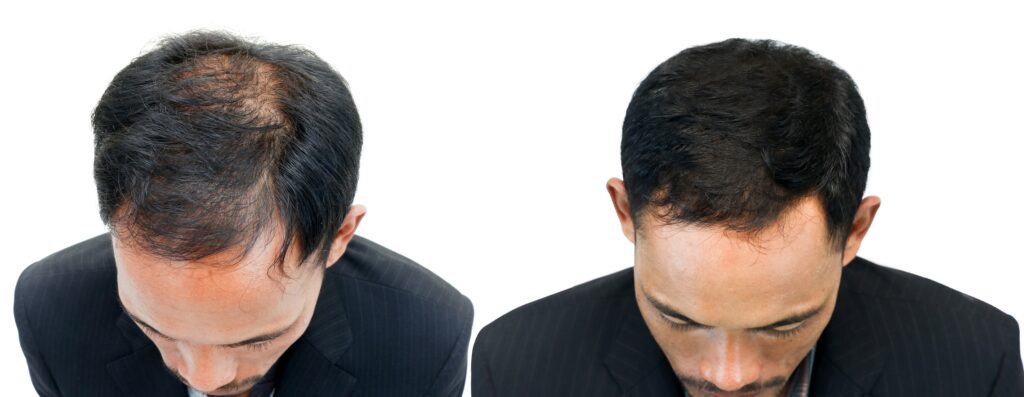
As a result, finasteride helps protect hair follicles from further miniaturisation, slowing or stopping ongoing hair loss. In some cases, it may also support regrowth in follicles that have become dormant but are not yet permanently damaged [7].
Finasteride and fertility
It’s understandable to consider any links between finasteride and fertility, as finasteride affects hormone levels. This is especially important to consider if you’re planning to have a baby in the near future.
There is good evidence to suggest that finasteride decreases sperm count in some men [8]. In most cases, sperm levels return to normal relatively quickly after stopping the medication, although hair loss may resume once treatment is discontinued [8,9].
Older research has found no clear evidence of a negative association between finasteride use and sperm production [10]. However, more recent research has found negative effects of finasteride on sperm count and quality [11]. Generally, individual responses can vary, so it’s generally recommended to speak with a doctor or healthcare professional if you are taking, or considering taking, finasteride while trying to conceive with your partner.
Propecia and pregnancy
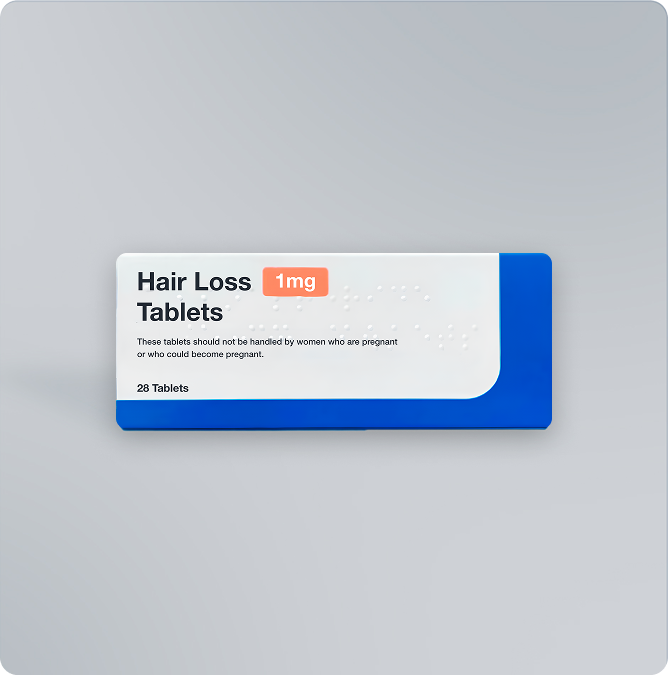
Propecia, the brand-name version of finasteride, includes a warning advising that pregnant women should not handle finasteride tablets due to the risk of developmental abnormalities in male foetuses [12]. For this reason, finasteride is not typically recommended for use in women. Although healthy pregnancies have occurred despite exposure to finasteride, it’s still important to understand the potential risks during pregnancy and take appropriate precautions where possible.
If you are curious to learn more, you can read all about finasteride for women.
Finasteride and prostate cancer
Finasteride has been extensively studied for its effects on prostate health, as it was originally developed to treat benign prostatic hyperplasia (BPH). Research shows that finasteride lowers prostate-specific antigen (PSA) levels and can reduce overall prostate volume, which may help lower the risk of developing prostate cancer [13,14].
Some large studies have suggested that while finasteride may reduce the overall incidence of prostate cancer, there may be a slightly higher detection rate of high-grade prostate cancers in men who do develop the disease [15,16]. Most experts believe this is likely due to improved detection rather than finasteride causing more aggressive cancer, as the drug shrinks the prostate and makes abnormalities easier to identify.
Overall, current evidence does not show that finasteride increases the risk of dying from prostate cancer. If you are taking finasteride, it’s important to inform your doctor, as the medication can affect PSA test results and may require adjusted interpretation during routine screening.
Finasteride and mental health
Research published in 2020 suggested a possible association between finasteride use and mental health concerns, including suicidal thoughts [17]. This potential link appears to be more commonly reported in men under the age of 45 who are using finasteride to treat androgenetic alopecia (male pattern hair loss).
At present, more research is needed to fully understand the nature of this relationship. We have explored this more in depth with our article on finasteride, anxiety and depression.
Researchers have proposed several possible contributing factors, including:
- The psychological impact of sexual side effects.
- Increased vulnerability to adverse effects in younger patients.
- A nocebo effect, where heightened awareness of reported risks leads to increased symptom reporting.
While this area of research is still in its early stages, concerns about mental health should always be taken seriously. If you experience changes in mood, anxiety, or distress while taking finasteride, or at any other time, it’s important to seek professional support. A GP or qualified healthcare professional can help assess your symptoms and guide you toward appropriate care.
Post finasteride syndrome
Post finasteride syndrome (PFS) relates to when side effects continue after discontinuation of finasteride use. Generally speaking, most patients who experience side effects while taking finasteride find that these symptoms resolve after discontinuing the medication [4,18]. However, there are a small number of individuals who report persistent symptoms that continue after stopping treatment [19,20X].
Research into PFS remains limited. It has only relatively recently been recognised as a potential clinical issue, and further studies are needed to better understand its causes, prevalence, and mechanisms. Some researchers have suggested that, as with other reported safety concerns related to finasteride, a nocebo effect may play a role in a proportion of cases [21].
Finasteride drug interactions
The NHS report St John’s wort, an herbal remedy commonly used to treat depression, may interfere with the effectiveness of finasteride [22]. For this reason, if you are experiencing depressive symptoms that you believe may be linked to finasteride use and are still taking the medication, it’s generally recommended to avoid St John’s wort.
As with any prescription drug, it’s important to speak with your doctor or healthcare professional about potential interactions if you are taking other prescription medications, over-the-counter treatments, supplements, or herbal remedies alongside finasteride.
Allergic reactions
As with all medications, a small number of people may experience hypersensitivity or allergic reactions to finasteride. Although allergic reactions are rare, they can be serious and require immediate medical attention.
Seek urgent medical care if you experience any of the following symptoms:
- Swelling of the face, lips, tongue, or throat
- Hives, rash, or itchy skin
- Difficulty breathing
- Feeling dizzy, faint, or light-headed
- Chest pain or tightness
- Rapid heartbeat or palpitations
Finasteride alternatives
Finasteride delivers strong results for many people experiencing hair loss and has been shown to slow or prevent further hair loss in more than 95% of patients [23]. Despite this, some men choose not to take finasteride due to concerns about safety. In these cases, hair loss often continues unchecked, even after a hair transplant, which can increase the likelihood of needing additional transplant procedures in the future.
Finasteride alternatives include:
You can read our finasteride vs minoxidil comparison to learn more.
Get your finasteride with DrHair now; safe, effective and doctor-approved
Finasteride remains one of the most researched and widely prescribed treatments for male pattern hair loss. While no medication is completely free from potential side effects, the evidence consistently shows that finasteride is safe for the vast majority of men when taken as directed and under medical supervision.
Understanding how it works, being aware of possible side effects, and speaking with a qualified healthcare professional can help you make an informed and confident decision about whether it’s right for you.
At DrHair, your treatment is guided by experienced medical professionals who assess your suitability, monitor your progress, and ensure you receive safe, effective, doctor-approved care. They’ll guide you through the options, including seeing results in roughly 3-6 months when consistently using finasteride.
FAQ
Finasteride is generally considered safe for adult men aged 18 and over when prescribed by a healthcare professional. Most clinical studies on finasteride for male pattern hair loss have focused on men between the ages of 18 and 41, with strong evidence supporting its safety and effectiveness in this group [24].
There is currently no strong scientific evidence showing that finasteride directly causes dandruff. However, some people report changes in scalp condition, such as dryness or irritation, after starting finasteride, which could potentially contribute to flaking in certain individuals.
Finasteride is not considered toxic to the liver for most people. It is generally well tolerated, and clinically significant liver damage associated with finasteride is rare. In a small number of cases, mild and reversible changes in liver enzyme levels have been reported, usually resolving after discontinuing the medication.