
Finasteride 5mg is a prescription medicine primarily used to treat benign prostatic hyperplasia (BPH); a condition that causes the prostate gland to enlarge. It can also be used to address male pattern baldness, though the 1mg dose is far more commonly prescribed for that purpose; around 70% of hair transplant surgeons recommend using 1mg [1].
In this article, we cover everything you need to know about finasteride 5mg, including:
- What finasteride 5mg is used for
- How finasteride 5mg works and how long it takes to work
- The side effects of finasteride 5mg
What is Finasteride?
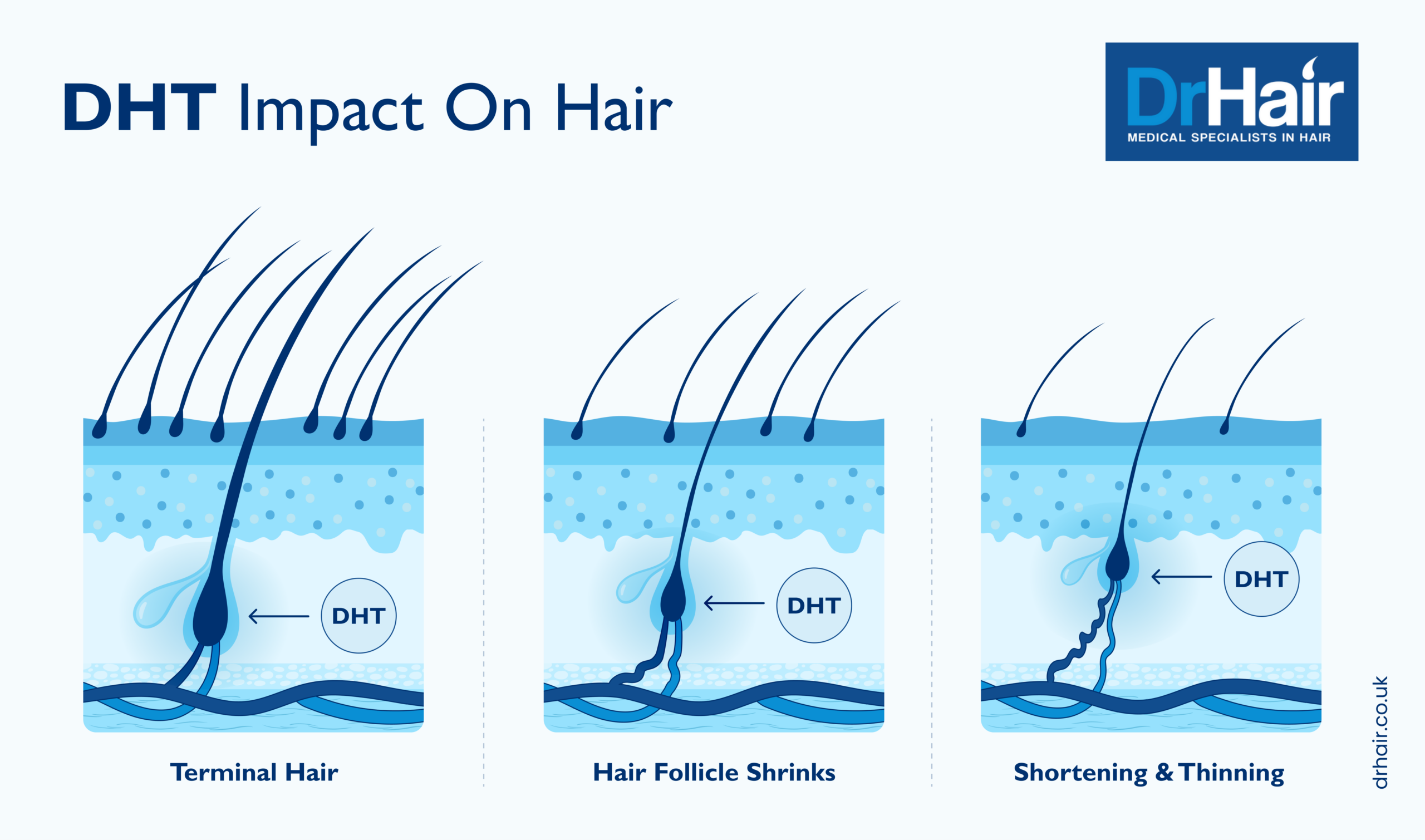
Finasteride is a medication that works by blocking the production of dihydrotestosterone (DHT), a male sex hormone that is metabolised from testosterone.
DHT plays an important role in male development during early life. In adults, however, elevated DHT levels are associated with both male pattern baldness and benign prostatic hyperplasia (BPH) [2], which is why finasteride is commonly used to treat both conditions.
Finasteride 5mg uses
Finasteride 5mg is the highest dose of this medicine that is typically prescribed. It is most commonly used to treat benign prostate enlargement, also known as benign prostatic hyperplasia (BPH).
BPH is not usually a serious condition, but it can cause uncomfortable symptoms including a frequent need to urinate and difficulty urinating. This happens because the enlarged prostate narrows the urethra, restricting the flow of urine.
In the UK, finasteride 5mg is available under the brand name Proscar, as well as in generic form, which works in the same way and may be available at a lower cost.
How long does finasteride 5mg take to work?
According to the NHS, finasteride 5mg can take around six months to produce noticeable improvements for BPH [3]. For hair loss, results typically begin to appear within three to six months, though consistent daily use is required to maintain them.
Finasteride 5mg side effects
Finasteride 5mg may cause side effects, including:
- Initial hair shedding
- Erectile dysfunction
- Decreased sex drive
- Ejaculation disorder
- Testicular discomfort
- Skin rashes
The majority of these are uncommon, affecting only a small number of users. However, they occur more frequently at the 5mg dose than at 1mg without significantly improving hair growth [4], which is why men seeking treatment for male pattern hair loss are generally advised to stick to the lower dose. Always make sure you consult your medical professional before taking such a medication.
Finasteride 5mg serious side effects
In some cases, there may be some serious side effects from finasteride 5mg. Seek medical help immediately if you experience signs of an allergic reaction, such as hives, swelling of the face, tongue or throat, or difficulty breathing.
Also, speak to your doctor if you notice any changes in breast tissue, including tenderness, pain, lumps or nipple discharge, as these require further investigation [5].
You should also inform them if you experience any of the following:
- Testicular pain
- Blood in semen
- Depression
Does finasteride 5mg cause weight gain?
Weight gain is not a recognised side effect of finasteride. One study identified a possible link between finasteride and weight gain in men with prostate cancer [6], but there is no evidence to suggest this applies to men taking it for BPH or male pattern baldness.
Finasteride 5mg for hair loss: Results
Finasteride 5mg results show it can slow hair loss and support regrowth in men with male pattern baldness, though results vary from person to person. Most men begin to notice a difference within three to six months of consistent daily use, with more significant improvements typically visible after a year. One large clinical trial found that 66% of men taking finasteride showed improved hair growth after two years, based on standardised photographic assessment [7].
It is worth noting that the 1mg dose produces comparable results for hair loss. Clinical dose-ranging studies found similar efficacy between the 1mg and 5mg doses, meaning a higher dose is unlikely to deliver better outcomes [7]. For BPH, finasteride 5mg can take up to six months to produce noticeable improvements in urinary symptoms, according to the NHS [8].
Is Finasteride 5mg right for your hair loss?
While finasteride 5mg has been shown to treat male pattern baldness effectively, it is not the standard approach for most men. Research suggests that 1mg finasteride is the correct dose for treating hair loss in most cases, meaning the additional dose offers little meaningful advantage for hair regrowth while increasing the likelihood of side effects [7].
For the majority of men, finasteride 1mg is the appropriate and licensed starting point for hair loss treatment in the UK. A higher dose may occasionally be considered, but only under the guidance of a qualified clinician based on your individual circumstances.
Not sure which treatments are right for you? Take our assessment to find out which options you may be eligible for.
FAQ
Finasteride can interact with a number of other medicines. Before starting treatment, make sure your doctor or pharmacist is aware of everything you are currently taking. Known interactions include [9]:
- Antifungals: Fluconazole, Itraconazole, Voriconazole
- Antiretrovirals: Lenacapavir, Nelfinavir, Saquinavir
- Kinase inhibitors: Adagrasib, Duvelisib, Fostamatinib, Larotrectinib, Olutasidenib, Pirtobrutinib, Pralsetinib, Ritlecitinib, Selpercatinib
- mTOR inhibitors: Sirolimus, Tacrolimus, Temsirolimus
- CNS / antidepressants: Fluvoxamine, Nefazodone
- Other: Avacopan, Diltiazem, Omaveloxolone, Osilodrostat, Terazosin, Topical Abametapir, Trofinetide
Please note, this is not a complete list, and your prescribing doctor may recommend monitoring you during treatment to check for any interactions that develop over time.
There isn’t a best time to take finasteride 5mg exactly; it’s more important that you are consistent. In other words, taking it at the same time everyday helps to maintain the relevant levels of the medicine in your body.
Finasteride 5mg is not generally recommended for women. It may have some effectiveness for female pattern hair loss, but it can also cause complications during pregnancy and lead to some menstrual irregularities [10].